
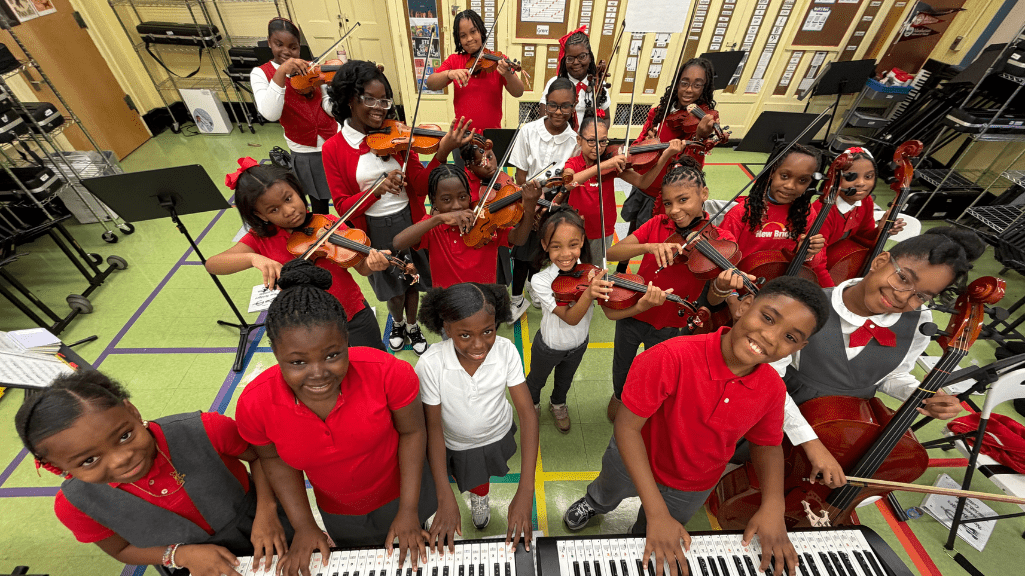
As Spring concert season arrives, music classrooms across the country are filled with rehearsals, excitement, and the anticipation of stepping onto the stage. For students, these performances represent more than just a concert; they are opportunities to build confidence, express creativity, and experience the power of making music together.
Thoughtful concert performance preparation can help students feel supported both musically and emotionally. From rehearsal routines to confidence-building exercises, educators play an essential role in helping young musicians feel ready for the big moment.
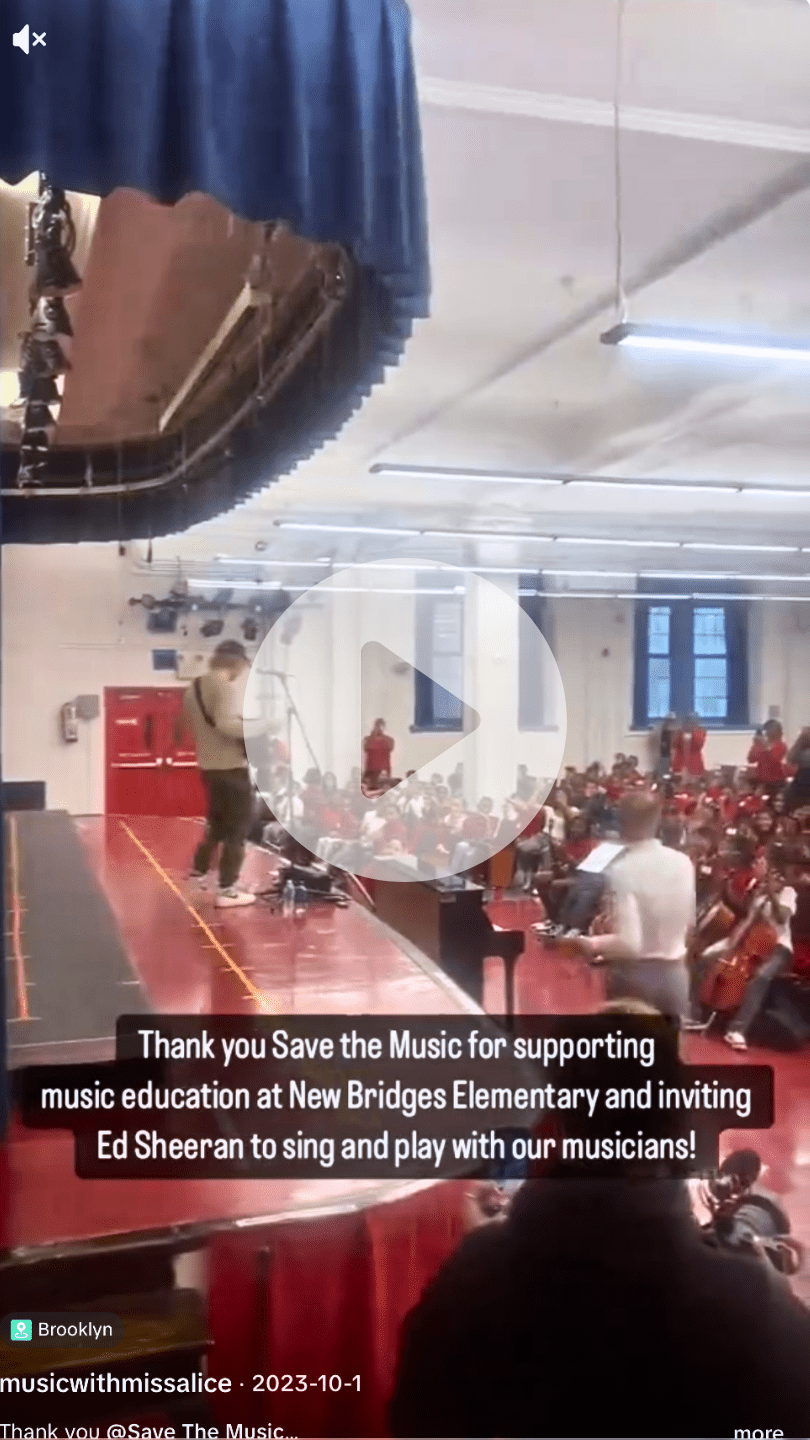
At Save The Music, we believe every student deserves access to music education experiences that help them grow creatively, academically, and personally. This guide combines practical strategies for how to prepare for a concert performance with real-world insight from award-winning music educator Dr. Alice Tsui.
Intergenerational learning experiences are important for our student community so that students can think beyond just their current grade but also set up their own legacy as a musician at our school.
Why Concert Performance Preparation Matters for Student Success
Spring concerts are often one of the biggest milestones of the school year for young musicians. Preparing for a live performance teaches students far more than notes and rhythms; it helps build confidence, collaboration, discipline, and resilience.
Concert performance preparation also gives students an opportunity to develop accountability and teamwork within an ensemble setting. Through consistent rehearsals, students learn how their individual efforts contribute to a larger collective performance.
For many students, stepping onto a stage for the first time can feel both exciting and vulnerable. Thoughtful preparation helps reduce performance anxiety while creating a sense of accomplishment and pride that students carry with them long after the concert ends.
Teacher In The Spotlight: Alice Tsui, New Bridges (Brooklyn, NY)

Dr. Alice Tsui is an extraordinary elementary music teacher at New Bridges Elementary School in New York City’s District 17, where she has spent years shaping the lives of young students through music.
This year, Dr. Tsui was recognized as one of just 30 educators nationwide to receive the CMA Foundation Music Teachers of Excellence Award, a testament to the impact she has made inside and outside of the classroom.
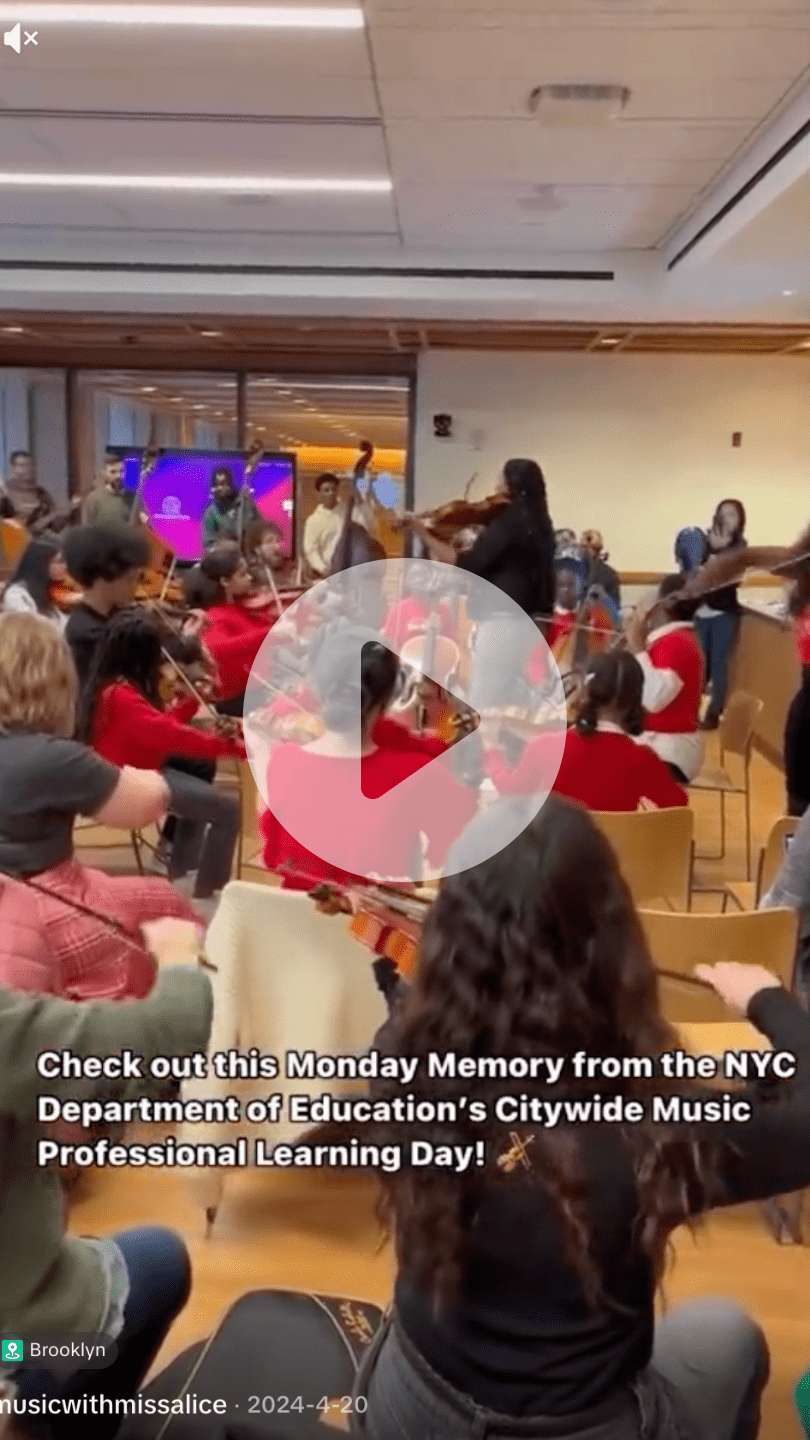
Since earning her doctorate in music education, Dr. Tsui has helped transform the arts program at New Bridges, where hundreds of students now have access to early music education opportunities. And right now, as spring concert season ramps up, she’s spending countless extra hours helping students prepare for the moment they step onto that stage with confidence.
Below, Dr. Tsui shares her perspective on how to prep for a concert performance while creating supportive and empowering classroom environments for every student.
How do you approach spring concert preparation with students?
Concert preparation is an opportunity for educators to uplift and support young musicians with varying skills and strengths. All students have unique skills they bring to an ensemble, and when students are able to work in thoughtfully chosen partnerships and know that they are a meaningful contributor to the partnership, the music each student creates is deeper and more personal in practice and performance.
I believe it is important to empower each child to amplify their own personality, perspectives, and presence in their performance. During rehearsals, students actively share what they feel confident in singing and/or playing, and also get into a regular habit of being vulnerable to ask for help. Acknowledging this vulnerability that we as musicians must be honest with is crucial in our daily practice. Throughout the year, students can rely on multiple partnerships, and ultimately, all members of an ensemble to help support with what they individually need help with—everything from the notation, to the expression, to the stage readiness that rehearsals require.
For music educators, I recommend that we are vulnerable in sharing what we know and do not yet know with our students, and to sing and play alongside them to show our own process, progress, and presence as musicians.
How to Prepare for a Concert Performance
One of the most important parts of concert performance preparation is creating a structured and consistent rehearsal process. Breaking music into smaller, manageable sections can help students feel less overwhelmed while allowing educators to focus on strengthening specific musical skills over time.
As concert season approaches, repetition and full ensemble run-throughs can help students become more familiar and comfortable with the performance material. Consistent rehearsal routines also help students understand expectations and build confidence in their abilities.
When thinking about how to prepare for a concert performance, it is also important to recognize that students learn at different speeds and bring different strengths into the rehearsal space. Thoughtfully chosen student partnerships, peer support systems, and opportunities for reflection can help create a more inclusive and collaborative rehearsal environment.
For educators, building trust and encouraging vulnerability during rehearsals can be just as important as musical accuracy. When students feel safe asking questions and expressing themselves creatively, performances become more meaningful and authentic.
Practical Tips for Concert Day Preparation
To ensure students are physically and mentally ready on concert day, I invite students to create affirmations for themselves they can remind themselves of in rehearsal, onstage, and after the performance. In addition to affirmations, students journal what they envision for themselves when they are onstage and what they hope to express to their audience through their music making. I remind students that music making is not for the purpose of note accuracy, but rather to express ourselves in ways that can powerfully reach our souls in ways that can be life-changing. Each opportunity to perform and create music is one we can hold with importance, and with that reminder, musicians can see themselves as more than just music-makers but rather as people who can create meaningful change, evoke thoughtful reflection, and embrace the humanity we each have within ourselves and each other.
In addition to emotional preparation, concert day organization can help reduce stress for both educators and students. Preparing instruments and equipment ahead of time, organizing transitions between performances, and establishing warm-up routines can help performances run more smoothly and confidently.
Continuing the Impact of Music Education Beyond the Concert
Feedback reinforces student growth by encouraging each young musician to be honest with themselves and embrace the process of learning. While in music education we often celebrate the product, I believe it is even more important to hold onto the lessons we learn during the process—both in music educators teaching, and in students learning. I encourage students to give feedback to me on what they need support with throughout our learning process. I also encourage students to openly name what their own strengths are aloud, so that their peers also know what each musician believes about themselves.
In addition, strengths do not always have to be musical. Strengths can include confidence in trying new challenges, being an encouraging supporter to fellow musicians, helping with instrument retrieval and setup, or asking check-in questions. It is so important to celebrate our whole selves because music not only shapes our musicianship and artistry, but more importantly, music changes who we are every time we make music.
Spring concerts can also become meaningful reflection opportunities for students and educators alike. Celebrating student growth after a performance helps reinforce confidence and encourages students to stay engaged in music programs long-term.
Explore more music education resources for educators, families, and advocates working to support student success through music education.
Support Music Education with Save The Music
Save The Music has been an incredible organization and lifeline for access to instruments and resources for my school community. Through the support of Save The Music, I have been able to expand instrument instruction opportunities to hundreds of students, and each student is able to open the case of a high quality instrument with wonder, joy, and the envisioning of the musician they will continue to be and grow as.
I believe that Save The Music not only supports music education, but the lives of all students they impact through the access of their instruments and resources because what has started in my music classroom as lessons in instrument learning has progressed into life lessons of drive, passion, and love for creating music that students carry beyond graduation and into our larger community in the world.
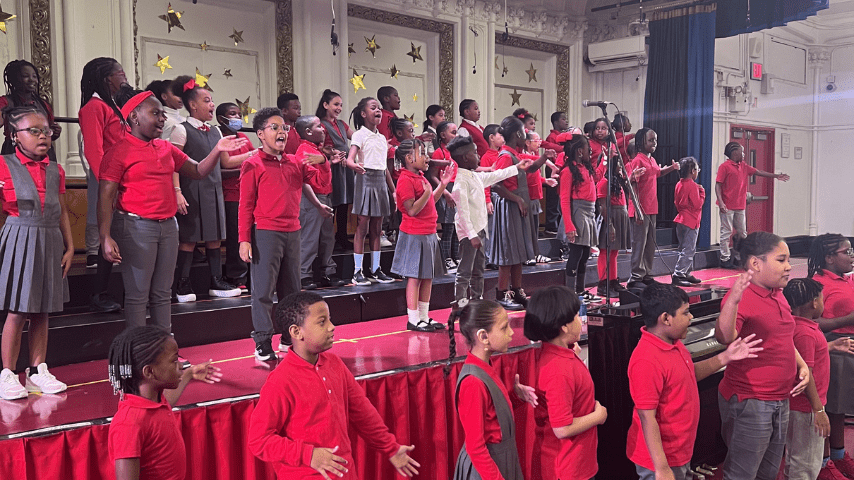
Stories like Dr. Alice Tsui’s are powerful, but across the country, they are becoming harder to find.
Schools nationwide are facing a growing shortage of certified music educators as many teachers leave the profession due to burnout, limited resources, and lack of support. When music teachers disappear, students lose access to the life-changing opportunities that music education provides: creativity, confidence, belonging, and self-expression.
Your support helps fund critical resources for music educators, including professional development opportunities, classroom support, certifications, instruments, and programs that help teachers continue inspiring the next generation of student musicians.
Every student deserves access to a passionate music educator who believes in their potential.
Will you help ensure more students have access to a music teacher like Dr. Tsui?